Информационный центр
news
Текущее местоположение:
Главная страница>
Информационный центр>
Прекратите страдать от боли начните жить полной жизнью

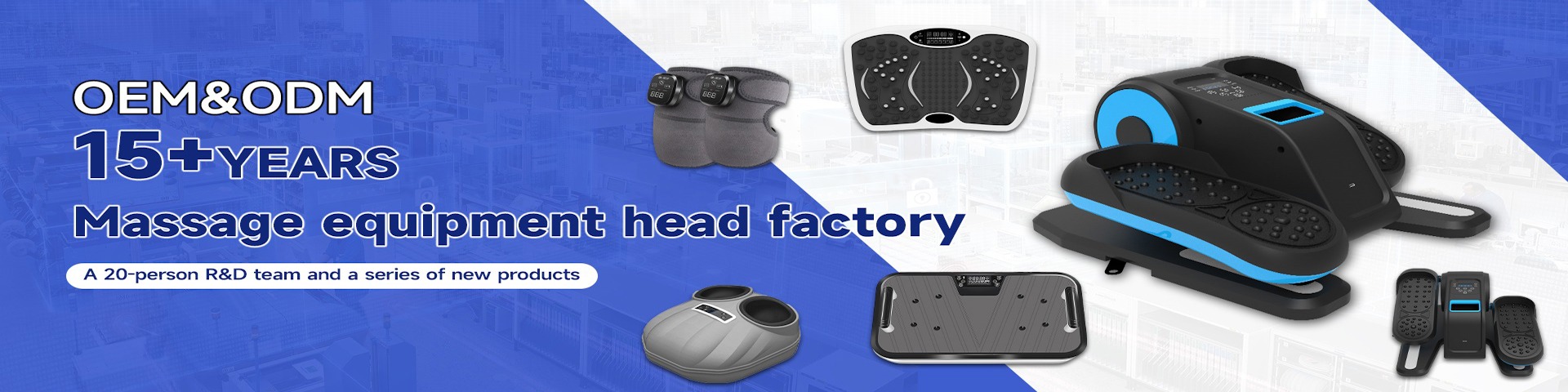
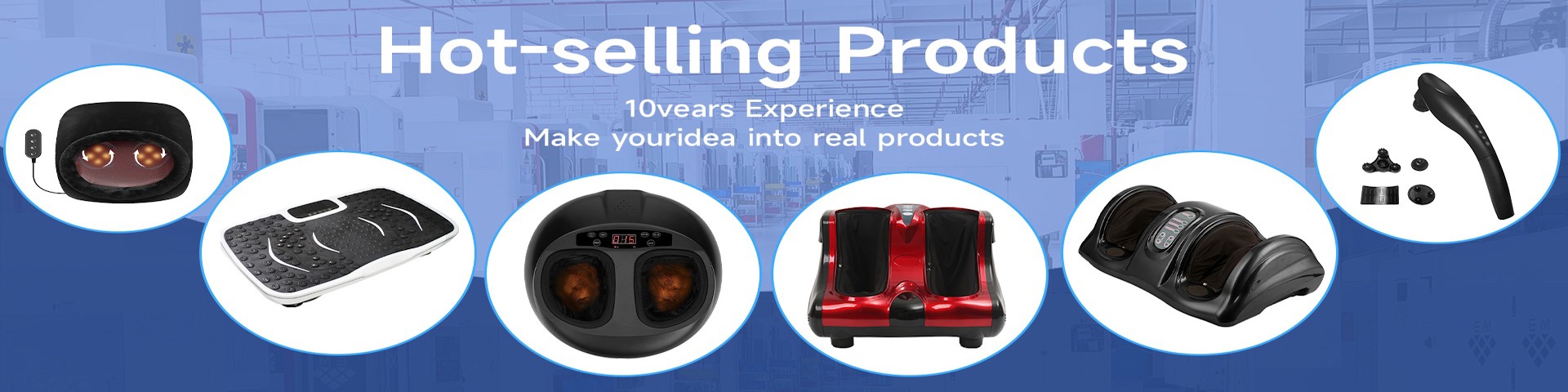
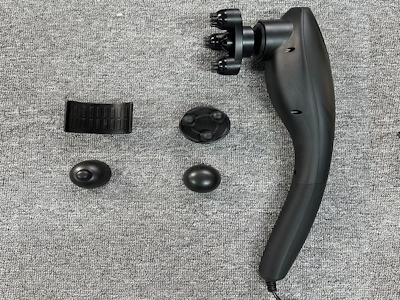
Боль – это универсальный опыт, который затрагивает каждого из нас в разные моменты жизни. Она может быть физической, эмоциональной или духовной, но независимо от её природы, боль часто становится препятствием на пути к полноценной жизни. Многие люди годами страдают от хронических болей, думая, что это неизбежная часть существования. Однако это не так! В этой статье мы рассмотрим, как можно преодолеть боль, избавиться от страданий и начать жить полной, насыщенной жизнью. Мы углубимся в причины боли, обсудим эффективные методы лечения и профилактики, и предоставим вам практические шаги для немедленного применения. Если вы устали от постоянного дискомфорта и хотите вернуть себе радость бытия, вы на правильном пути. Давайте начнём это путешествие к освобождению вместе!
Боль – это сложный феномен, который служит сигналом организма о том, что что-то не в порядке. Она может быть острой, как внезапная травма, или хронической, сохраняющейся месяцами или даже годами. Острая боль обычно имеет ясную причину, например, перелом кости или ожог, и проходит после лечения. Хроническая же боль часто становится самостоятельным заболеванием, влияющим на все аспекты жизни: физическое здоровье, психическое состояние, социальные отношения и даже духовное благополучие. Почему мы страдаем? Во многом из-за непонимания природы боли и отсутствия эффективных стратегий борьбы с ней. Многие люди пытаются игнорировать боль или маскировать её обезболивающими, но это лишь временное решение. Чтобы truly избавиться от страданий, нужно подойти к проблеме комплексно: выявить root causes, adopt healthy habits, and seek professional help when needed. In this section, we'll explore the science behind pain, its psychological impacts, and why it's crucial to address it proactively rather than suffer in silence.
Боль не ограничивается лишь физическими ощущениями. Эмоциональная боль, такая как grief, anxiety, or depression, can be just as debilitating. Interestingly, there's a strong link between physical and emotional pain. Studies show that chronic physical pain can lead to mental health issues like depression, and vice versa – emotional stress can manifest as physical symptoms, a phenomenon known as psychosomatic pain. For example, people under constant stress may experience headaches, muscle tension, or even gastrointestinal problems. Understanding this interconnection is key to holistic healing. By treating both the body and the mind, we can achieve more sustainable relief. In this part, we'll discuss common types of pain, their causes, and how to recognize when pain is a sign of deeper emotional or spiritual issues. We'll also touch on cultural and societal factors that influence how we perceive and cope with pain, emphasizing that suffering is not a sign of weakness but a call to action for self-care and growth.
Chronic pain often stems from underlying conditions such as arthritis, fibromyalgia, or nerve damage, but lifestyle factors play a significant role too. Poor posture, lack of exercise, unhealthy diet, and high stress levels can exacerbate or even cause pain. For instance, sitting for long hours at a desk can lead to back pain, while a diet high in processed foods may contribute to inflammation. To avoid chronic pain, it's essential to adopt preventive measures. Regular physical activity strengthens muscles and joints, reducing the risk of injuries. A balanced diet rich in anti-inflammatory foods like fruits, vegetables, and omega-3 fatty acids can help manage pain. Additionally, stress management techniques such as meditation, yoga, or deep breathing can lower cortisol levels and alleviate pain. In this section, we'll provide a detailed guide on identifying risk factors for chronic pain and practical tips for prevention. We'll also debunk common myths, like the idea that pain is an inevitable part of aging, and encourage readers to take proactive steps toward a pain-free life.
When it comes to treating pain, there's no one-size-fits-all solution. Traditional medicine offers options like painkillers, physical therapy, and surgeries, which can be highly effective for acute cases. However, for chronic pain, a multidisciplinary approach is often best. Alternative therapies such as acupuncture, chiropractic care, massage, and herbal medicine have gained popularity for their ability to address pain without the side effects of pharmaceuticals. Mind-body practices like mindfulness and cognitive-behavioral therapy (CBT) help reframe pain perception and reduce suffering. In this part, we'll explore various treatment modalities, their benefits, and how to choose the right one for your situation. We'll include success stories and expert opinions to inspire confidence. Remember, the goal is not just to eliminate pain but to restore function and improve quality of life. Always consult with healthcare professionals before starting any new treatment regimen.
You don't have to wait for a doctor's appointment to start feeling better. There are simple, immediate actions you can take to reduce pain. For physical pain, try heat or cold therapy: a warm bath can relax muscles, while an ice pack can numb acute inflammation. Gentle stretching or walking can improve circulation and ease stiffness. For emotional pain, practice gratitude journaling or connect with loved ones – social support is a powerful analgesic. Additionally, ensure you're getting enough sleep, as rest is crucial for pain management. In this section, we'll provide a list of quick fixes and habits to incorporate into your daily routine. We'll also discuss the importance of pacing yourself and avoiding overexertion, which can worsen pain. These tips are designed to be accessible to everyone, regardless of their current health status, and can serve as a foundation for long-term recovery.
To truly live a full life free from pain, you need a sustainable plan. This involves setting realistic goals, such as gradual weight loss if obesity is a factor, or learning stress-reduction techniques. Incorporate regular exercise into your life – activities like swimming, cycling, or yoga are low-impact and beneficial. Educate yourself about pain management through books, online resources, or support groups. Consider working with a pain specialist or coach to develop a personalized plan. Mindfulness and meditation can help you develop a healthier relationship with pain, reducing its intensity over time. In this part, we'll outline step-by-step strategies for building resilience and preventing pain recurrence. We'll emphasize the importance of patience and consistency, as lasting change doesn't happen overnight. By adopting these long-term approaches, you can transform your life from one of suffering to one of vitality and joy.
Nothing inspires more than real-life examples. In this section, we'll share stories of individuals who have overcome chronic pain and now live fulfilling lives. For instance, meet Anna, who suffered from migraines for years until she discovered trigger point therapy and dietary changes. Or Alex, who battled back pain from a car accident through physical therapy and mindfulness. These stories highlight the diversity of pain experiences and the various paths to recovery. They show that with determination and the right support, it is possible to break free from suffering. We'll include tips from these success cases, such as keeping a pain diary to track progress or finding a supportive community. Let these narratives motivate you to take action and believe that a pain-free life is within your reach.
Pain doesn't have to define your existence. By understanding its causes, exploring treatment options, and adopting healthy habits, you can significantly reduce suffering and embrace a fuller life. Remember, the journey may have ups and downs, but every small step counts. Start today by implementing one practical tip from this article, whether it's taking a short walk or practicing deep breathing. Seek professional help if needed, and don't hesitate to lean on others for support. You deserve to live without constant pain – to enjoy activities, build relationships, and pursue your dreams. Let this be the moment you decide to stop suffering and start living. Thank you for reading, and may your path be filled with health and happiness!
For more resources, consider consulting healthcare providers, joining online forums, or reading books on pain management. Always prioritize your well-being and take action toward a pain-free future.
 1388xx888xx